100% HRDC CLAIMABLE • 100% HRDC CLAIMABLE • 100% HRDC CLAIMABLE • 100% HRDC CLAIMABLE • 100% HRDC CLAIMABLE • 100% HRDC CLAIMABLE • 100% HRDC CLAIMABLE • 100% HRDC CLAIMABLE •

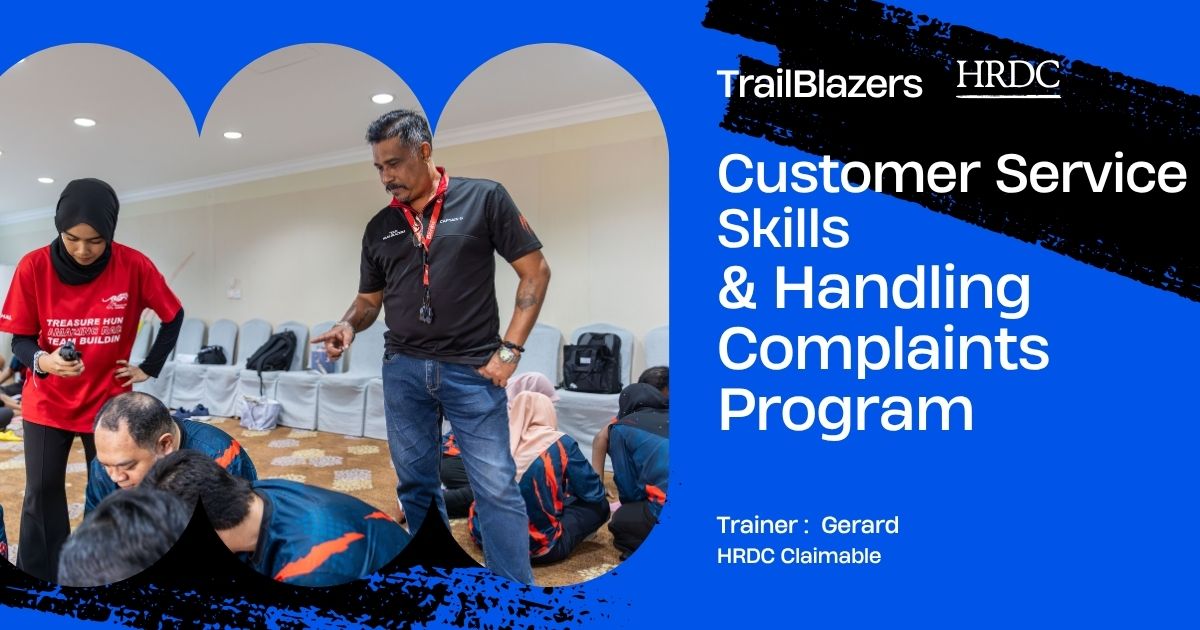
Customer Service Skills & Handling Complaints Program

Customer Service Skills & Handling Complaints Key Focus Customer Mindset, Service Strategy, Complaint Resolution & Customer Retention Duration 2 Days Core Impact Only 4% of unhappy customers complain, while each tells 10 others; retention costs 5x less than acquisition Core Outcome Build high-performance service teams, resolve complaints effectively, and drive business revenue Program Overview Adopting a proactive customer service mindset is essential for elevating overall business performance. Superior service enables organizations to boost loyalty and command up to 9% higher prices by placing individual customer needs at the center of operations. This 2-day practical workshop equips professionals at all levels with strategies to eliminate service myopia, build customer-oriented team cultures, and turn complaints into long-term retention opportunities. Learning Outcomes Participants completing this program will master vital customer satisfaction and complaint-handling competencies: Competency Focus Participant Outcomes Service Index & Assessment Evaluate organizational service indexes, establish consistency, and bridge perception-expectation gaps. Needs & Loyalty Dynamics Identify unique customer needs instantly, eliminate service barriers, and drive customer retention. Complaint Mastery Uncover real customer issues, de-escalate conflicts, and master saying “NO” constructively. Culture & Recognition Foster a service excellence culture using intrinsic/extrinsic motivators and reward systems. Training Methodology Methodology Execution & Objective Role-Play Simulations Real-time complaint handling and practice navigating diverse customer attitudes. Interactive Lectures & Videos Engaging delivery on service frameworks, real-life benchmarks, and mindsets. Case Studies & Brainstorming Practical group resolution of service implementation bottlenecks and market survey evaluation. Who Should Attend Target Audience: Frontline service representatives, customer support teams, account managers, team leaders, and personnel across all levels seeking to deliver service excellence and retain loyal clients. Program Outline An intensive 8-module blueprint structured to transform customer interactions and service performance: Module 1 & 2: Service Fundamentals & Environment Audit — Perceptions vs. expectations and assessing service indexes. Module 3 & 4: Customer Needs & Strategic Alignment — Eliminating service myopia and implementing the Service Excellence Framework. Module 5 & 6: High-Performance Teams & Culture — Impression creation, commitment building, and infrastructure support. Module 7 & 8: Complaint Resolution & Reward Systems — De-escalation tactics, surveys, and linking performance to recognition. Program Modules Module Title Key Topics & Content Module 1 & 2:Service Fundamentals & Audit • Defining service: Perceptions vs. Expectations vs. Actual • Assessing your organization’s Customer Service Index • Impact of customer service on business revenue and performance • Establishing consistent quality standards and influencing loyalty Module 3 & 4:Customer Needs & Strategies • Eliminating “Customer Service Myopia” and assessing needs immediately • Overcoming communication barriers to create memorable visits • Defining and aligning customer service strategies across departments • Executing the Service Excellence Framework Module 5 & 6:Team Development & Culture • Managing customer impressions and handling challenging attitudes • Building high-performance, customer-centric teams • Inculcating a Service Excellence Mindset across all organizational staff • Providing supporting infrastructure for sustained service quality Module 7 & 8:Complaints & Excellence Rewards • Identifying root causes of complaints and saying “NO” constructively • Conducting market research and integrating customer feedback • Motivating teams using intrinsic and extrinsic reward structures • Recognizing and celebrating customer service excellence heroes
Read More »

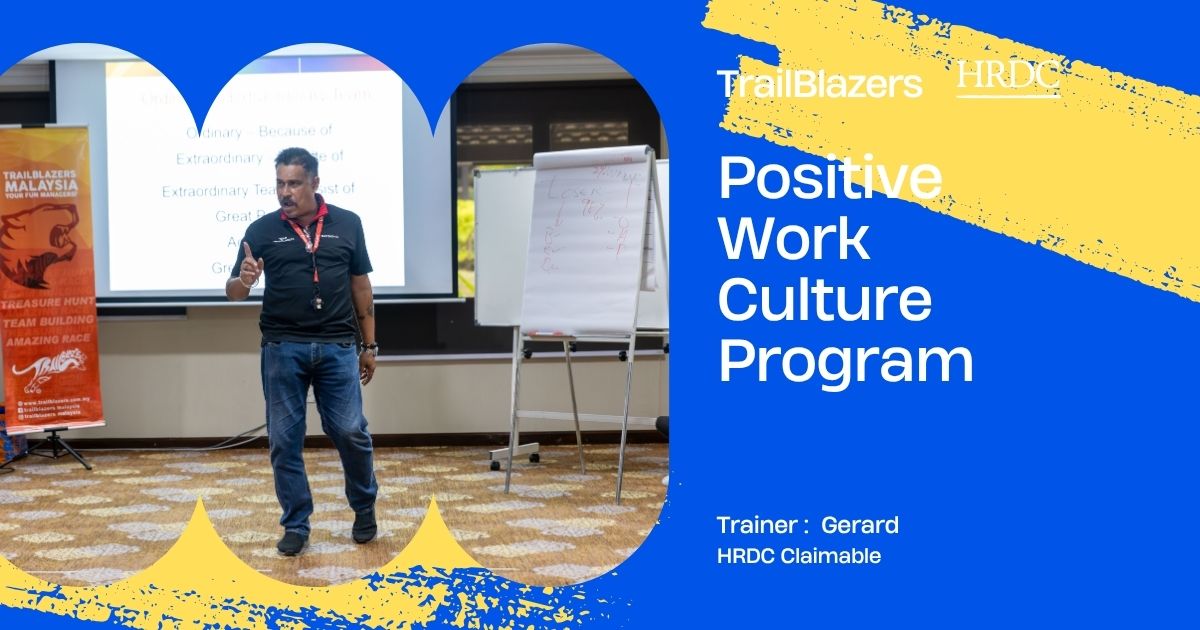
Positive Work Culture Program

Positive Work Culture Key Focus Personal Effectiveness, Professional Image, Accountability, Workplace Conflict & Stress Resilience Duration 2 Days Core Models The Self Concept Model & The 3 Mindset Model Core Outcome Foster winning mindsets, cultivate personal ownership, project a professional image, and build team effectiveness Program Overview In today’s fast-paced corporate environment, continuous restructuring, mergers, and high operational intensity stretch staff capabilities to the limit. To maintain peak performance, employees must excel both individually and as team contributors. This 2-day interactive program equips participants with essential tools to enhance personal effectiveness, project professional credibility, resolve workplace conflicts assertively, and manage stress in high-intensity organizational settings. Learning Outcomes Upon completing this program, participants will master core competencies for driving a positive workplace culture: Competency Focus Participant Outcomes Self-Awareness & Mindset Discover hidden self-potential using the Self Concept Model and cultivate a winning “Yes I Can” attitude. Accountability & Standards Take full ownership and responsibility for workplace actions while setting a positive example for peers. Professional Image Project confidence, competence, and credibility through polished grooming, communication, and body language. Conflict & Stress Mastery Resolve disagreements assertively and execute practical relaxation techniques to prevent burnout under pressure. Training Methodology Methodology Execution & Objective Mindset & Self-Audits Applied self-discovery exercises analyzing personal effectiveness and daily productivity barriers. Behavioral Simulations Practical role-playing covering assertiveness, impression management, and non-verbal cues. Interactive Group Scenarios Real-world case resolution targeting interpersonal conflict, team respect, and workplace stress. Who Should Attend Target Audience: Executives, team members, office professionals, and staff seeking to elevate personal accountability, polish their professional image, and contribute to a collaborative, high-performing organizational culture. Program Outline A comprehensive 5-part framework structured to transform personal habits and workplace dynamics: Module 1: Personal Effectiveness — Self-concept exploration, the 3 Mindset Model, and overcoming the Saw Blade Effect. Module 2: Characteristics of a Highly Effective Staff — Taking ownership, establishing accountability, and leading with respect. Module 3: Projecting an Office Pro Image — Mastering first impressions, character, personal grooming, and body language. Module 4: Interpersonal Conflicts at the Workplace — Identifying conflict signals, working across personalities, and assertive resolution. Module 5: Overcoming Stress at Work — Spotting stress symptoms, resourcefulness under pressure, and relaxation methods. Program Modules Module Title Key Topics & Content Module 1:Personal Effectiveness • Understanding and applying The Self Concept Model • Utilizing The 3 Mindset Model for productivity • Projecting confidence, competence, and credibility • Mitigating the Saw Blade Effect and building a “Yes I Can” attitude Module 2:Characteristics of Effective Staff • Taking full ownership and accepting responsibility at work • Driving accountability for personal and team actions • Demonstrating responsiveness, approachability, and mutual respect Module 3:Projecting an Office Pro Image • Aligning personality, character, and professional presence • Making impactful first impressions through personal grooming • Polishing professional language usage and non-verbal cues (body language) Module 4:Interpersonal Conflicts • Recognizing warning signals of organizational conflict • Navigating different personality types and individual differences • Dealing with workplace conflicts assertively and constructively Module 5:Overcoming Stress at Work • Identifying physical and emotional symptoms of stress • Developing resourcefulness and creativity under pressure • Executing effective relaxation techniques to prevent burnout

Read More »

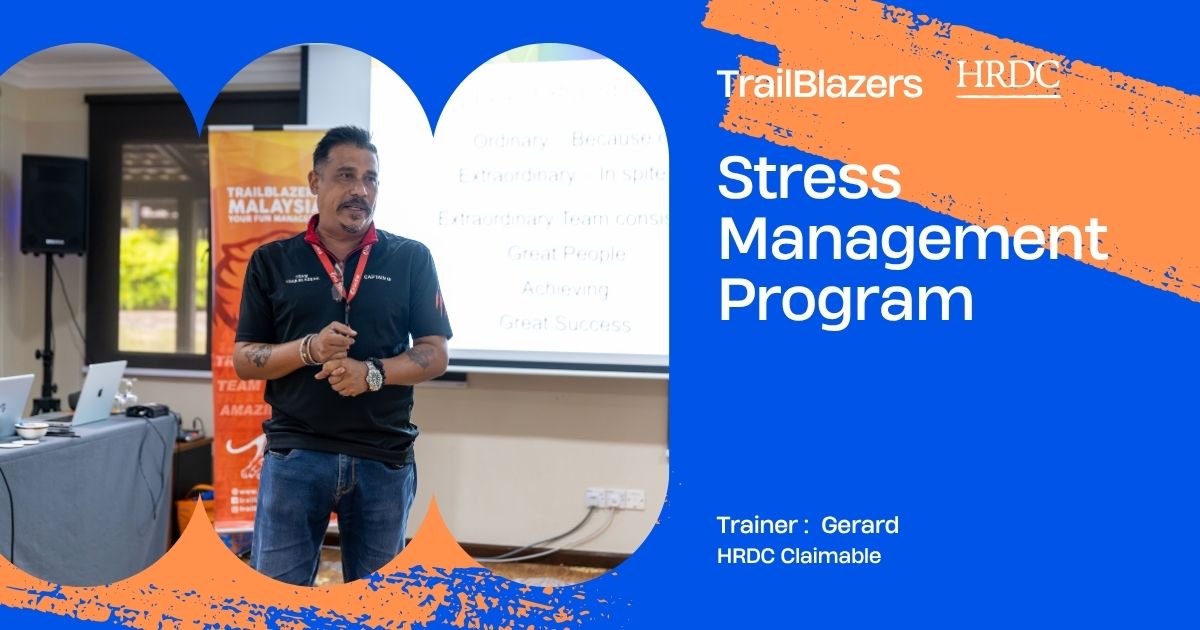
Stress Management Program

Stress Management Key Focus Stress Reduction, Conflict Management, Psychological Frameworks & Physical Relieving Techniques Core Models Transactional Analysis, Johari Window, Self-Concept Model & Acupressure Points Target Group Executives, Team Leaders, Managers & All Employees facing workplace stress Core Outcome Transform conflict into growth, boost team efficiency, and master practical stress-relief tactics Program Overview Stress and conflict are unavoidable aspects of organizational life stemming from differing personalities, goals, and working styles. Managed poorly, unaddressed conflict creates a culture of fear, blame, and severe physical stress that drains focus and team morale. This program equips professionals with practical tools to manage stressors, resolve interpersonal friction, and convert conflicting perspectives into drive, workplace creativity, and organizational productivity. Learning Outcomes Participants completing this program will master vital self-regulation and conflict management competencies: Competency Focus Participant Outcomes Stress & Physical Tactics Identify stress symptoms across bodily systems and execute immediate physical relief tactics like acupressure. Conflict & Behavioral Styles Apply Transactional Analysis, the Johari Window, and 5 core conflict styles to defuse tension. Interpersonal Communication Master empathy, fact-finding skills, anger de-escalation, and constructive emotional expression. Actionable Stress Planning Formulate a personal stress combat plan to enhance leadership, team resilience, and productivity. Training Methodology Methodology Execution & Objective Indoor Fun Activities Gamified learning exercises designed to highlight stress triggers in real-time. Practical Debriefs & Brainstorming Guided group reflections and peer discussions on real-world workplace scenarios. Interactive Lectures & Tactics Direct instruction on behavioral models and hands-on practice of actual stress-relief techniques. Who Should Attend Target Audience: Suitable for employees at all levels, managers, executives, and team leaders who operate in high-pressure environments and seek to master stress resilience, interpersonal harmony, and conflict resolution. Program Outline A comprehensive roadmap bridging psychological frameworks with physical stress management: Module 1: Conflict & Perception Fundamentals — Understanding functional vs. dysfunctional conflict and personal judgement biases. Module 2: Stress Mechanics & Behavioral Models — Analyzing stress attacks, Transactional Analysis, and the Johari Window. Module 3: Emotional Mastery & Self-Concept — Fact-finding skills, empathy, positive thinking, and the Self-Concept Model. Module 4: Physiological Impact & Anger De-escalation — Assessing bodily stress symptoms and overcoming communication barriers. Module 5: Strategic Organizational Conflict — Leveraging interveners, strategic resolution, and turning conflict into energy. Module 6: De-stressing Techniques & Action Plans — Practical acupressure points, self-awareness methods, and stress combat planning. Program Modules Module Title Key Topics & Content Module 1:Conflict Triggers & Perceptions • Background to workplace conflicts, challenges, and stress triggers • Perceptions about conflict: functional vs. dysfunctional aspects • Personal perception and its direct effects on judgement Module 2:Stress Mechanics & Behavior • Defining stress, stressors, and good vs. bad stress • Behavior patterns: Transactional Analysis (Parent / Adult / Child) • Self-awareness frameworks: Johari Window (Open / Blind / Hidden / Unknown) Module 3:Emotional Resilience & Self-Concept • Working constructively with feelings, empathy, and fact-finding • The Self Concept Model and cultivating positive thinking • Evaluating 5 conflict management styles (Avoidance to Collaboration) Module 4:Physical Effects & Communication • Physical stress symptoms (brain, heart, muscles, mouth) • Breaking through communication barriers and assessing difficult situations • Techniques for defusing anger and addressing surface beliefs Module 5:Organizational Conflict Strategy • Harnessing organizational conflict as a source of positive energy • Strategic conflict management approaches and the value of interveners • Balancing content and relationship priorities in conflict Module 6:De-stressing Methods & Action Plans • Practical acupressure points for immediate workplace stress relief • Advanced self-awareness techniques and mindfulness • Formulating a personalized action plan to combat stress long-term

Read More »

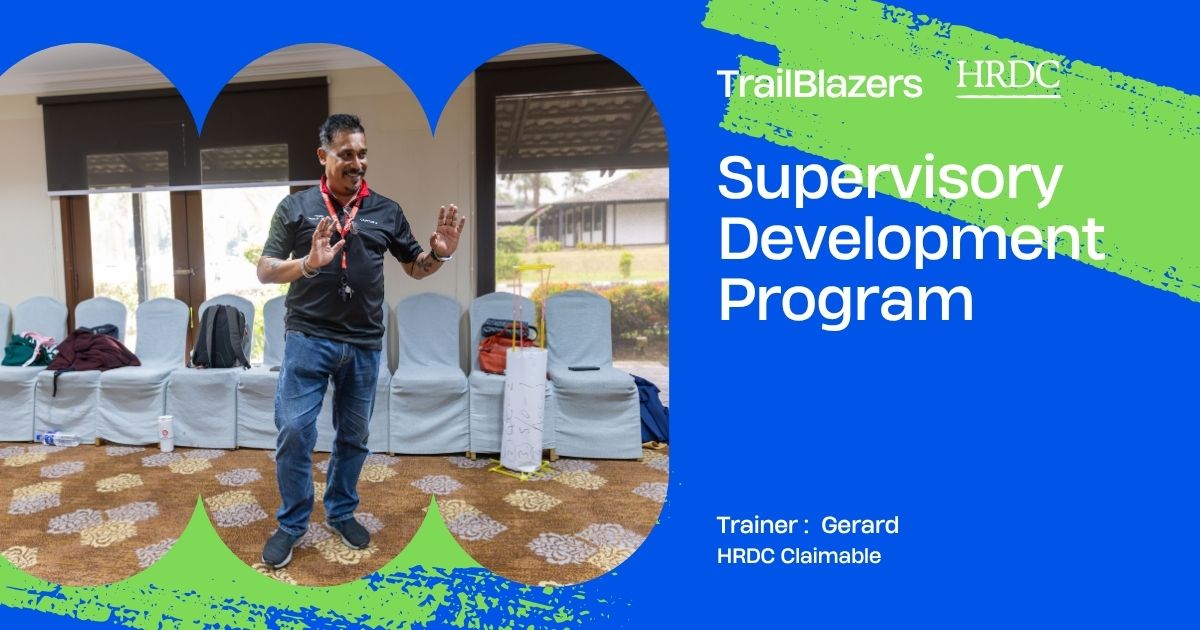
Supervisory Development Program

Supervisory Development Programme Key Focus Leadership Essentials, Delegation, Coaching, Problem Solving & Communication Duration 2 Days Target Group Existing Supervisors, New Executives, Promotable Staff & Non-Management Leaders Core Outcome Drive team productivity, model “Leadership by Example,” and execute key supervisory functions Program Overview The Supervisory Development Programme is a targeted training course specifically engineered to transition line supervisors, new executives, and high-potential staff into effective leaders. This program emphasizes core supervisory functions including planning, organizing, staffing, training, and controlling. Participants learn to lead by example, elevate team spirit, and drive organizational productivity. Learning Outcomes Participants completing this 2-day workshop will master essential supervisory and leadership competencies: Competency Focus Participant Outcomes Core Functions Master and execute fundamental skills in planning, organizing, staffing, training, and controlling. Leadership by Example Establish a high-standard leadership brand, overcome ego, and model accountability. Team Enablement Build delegation confidence, master coaching/counseling, and enhance team motivation. Problem Solving & Messaging Analyze root causes, calculate decision risks, and deliver clear, result-driven communications. Training Methodology Methodology Execution & Objective Role-Play Simulations Hands-on practice in coaching, counseling, and direct communication scenarios. Case Studies & Scenarios Practical evaluation of situational leadership, delegation, and decision-making barriers. Participant Presentations Direct skill execution and peer evaluation to ensure maximum learning transference. Who Should Attend Target Audience: Existing line supervisors, new executives, promotable rank-and-file staff, and outstanding non-management employees identified for supervisory roles. Program Outline A comprehensive 6-module roadmap built for immediate workplace execution: Module 1: The Changing Role of Supervisor — Modern management, self-management, and eliminating the “Ivory Tower Syndrome.” Module 2: Establishing a Personal Brand of Leadership — Defining expectations, overcoming ego, and setting team standards. Module 3: The Art of Delegation — Situational leadership, SWOT self-auditing, and managing subordinate feedback. Module 4: Coaching and Counseling — Driving continuous training, employee morale, and structured counseling techniques. Module 5: Problem Solving and Decision Making — Root-cause analysis, risk assessment, and decisive action planning. Module 6: Making Your Message Clear and Crisp — Navigating 4 communication styles, active listening, and meeting influence. Program Modules Module Title Key Topics & Content Module 1:The Changing Role of Supervisor • Key principles of modern management and self-management • Personal Improvement Plan: 5-year career visioning • Assessing leadership competencies and receiving constructive feedback • Eliminating “Ivory Tower Syndrome” and self-motivating for team impact Module 2:Personal Brand of Leadership • Managing and defining your personal leadership brand • Expectations of a good leader and challenging your ego • Aligning your personal brand with staff behavior and attitudes Module 3:The Art of Delegation • Process of delegation and overcoming structural barriers • Applying Situational Leadership based on staff behavior • SWOT analysis for self-auditing strengths and weaknesses • Managing and acting on subordinate feedback Module 4:Coaching and Counseling • Fundamentals of supervisory coaching and counseling • On-going training strategies to boost morale and performance • Execution of proper coaching and counseling techniques Module 5:Problem Solving & Decision Making • Identifying problem triggers and conducting root-cause analysis • Structured decision-making steps • Calculating risk factors for effective action Module 6:Clear & Crisp Communication • Communicating objectives that produce direct results • Navigating 4 communication styles: Direct, Organized, Sincere, Talkative • Mastering effective listening and modern communication skills • Gaining acceptance for ideas in corporate meetings

Read More »

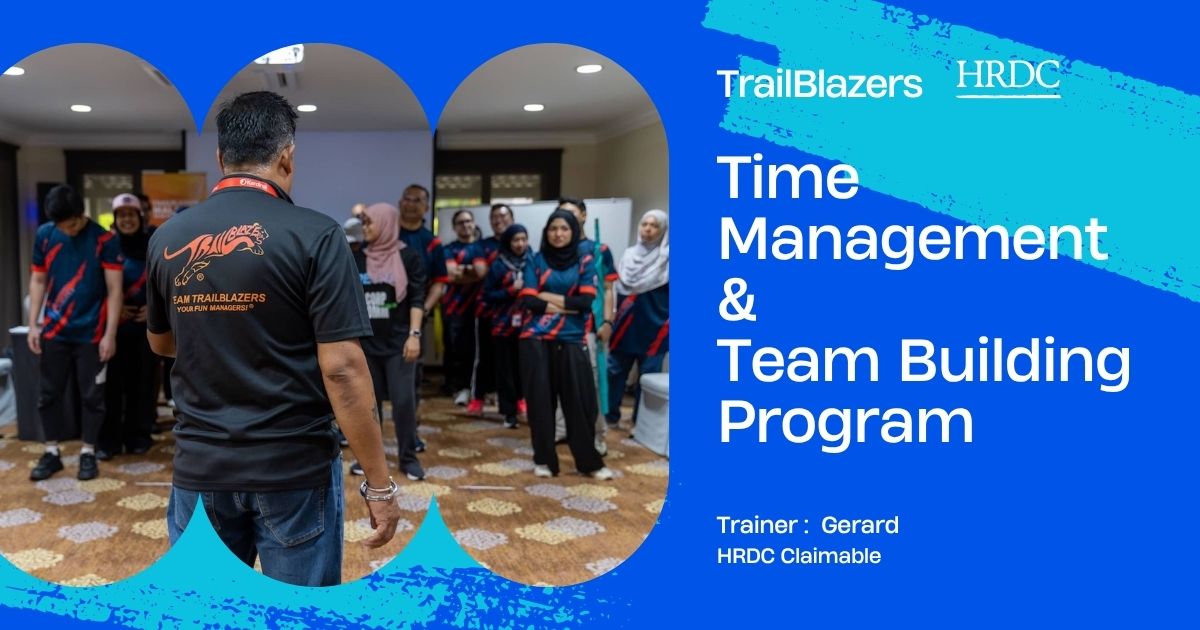
Time Management & Team Building Program

Time Management cum Teambuilding Key Focus Personal Time Management, Prioritization, Peak Energy Mastery & Team Alignment Format 1-Day Trip (Experiential Workshop) Core Tools Day Energy Curve, Saw Blade Effect, S.M.A.R.T. Goals & Mindset Model Core Outcome Gain extra productive hours, reduce time-wasters, and balance priorities effortlessly Program Overview Time management is one of the greatest challenges in modern corporate environments. As organizations strive to achieve more with fewer resources, professionals are constantly required to deliver higher productivity without sacrificing personal life. This stimulating, experiential training program empowers participants to gain control of their schedules by eliminating time-wasters, managing energy, and aligning personal goals with team performance through dynamic outdoor activities. Learning Outcomes Upon completing this program, participants will be able to master essential time efficiency competencies: Competency Focus Participant Outcomes Self & Work Systems Develop a personalized time management system tailored for daily tasks and diary/calendar efficiency. Priority Balancing Balance multiple priorities with ease and gain confidence in effective multitasking. Energy & Focus Control Leverage the “Day Energy Curve” and eliminate unproductive interruptions using the “Saw Blade Effect”. Proactive Mindset Transition from reactive habits to a proactive mindset for greater accomplishment and stress control. Training Methodology Methodology Execution & Objective Interactive Instruction Core framework delivery on time audits, planning systems, and stress management. Outdoor Team Activities Experiential challenges like Dynamic Obstacle, Spiderman Hoop, Lukis Lembu, and The Amazing Race. Multimedia & Exercises Goal visualization board creation and inspirational movie reflections. Who Should Attend Target Audience: Suitable for all employees, executives, managers, and team members struggling to balance competing priorities, improve daily productivity, and build strong team coordination. Program Outline A high-impact 4-part journey structured for immediate behavioral change: Module 1: Common Time Challenges — Tackling internal/external time-wasters and quality-of-life planning. Module 2: Calculating Time Value — Time audits, overcoming “Headless Chicken” syndrome, and goal focus. Module 3: Goal Setting & Prioritizing — Establishing Vision Boards, S.M.A.R.T. goals, and execution plans. Module 4: Coping with Stress & Pressure — Applying stress techniques, changing behaviors, and building positive mental attitudes. Program Modules Module Title Core Topics Covered Activity Focus Module 1:Common Time Challenges • Internal vs. external time challenges • Improving life quality via self-planning • Root causes of time management failure • Identifying key daily time-wasters Dynamic Obstacle Module 2:Calculating Time Value • Financial valuation of personal time & time audits • Overcoming “Headless Chicken” syndrome • The core mechanics of effective goal setting • Planning, organizing, staffing, and controlling Spiderman Hoop Module 3:Goal Setting & Prioritizing • 4 steps to setting and achieving clear goals • Formulating a personal Vision Board • S.M.A.R.T. goal formulation formula • Why individuals fail in goal setting Lukis Lembu Module 4:Coping with Stress & Pressure • Types of stress and performance implications • Techniques for changing thought patterns and lifestyle • 3 Mindset Model: Proactive, Comfort Zone, Reactive • Cultivating positive mental attitudes toward time The Amazing Race

Read More »

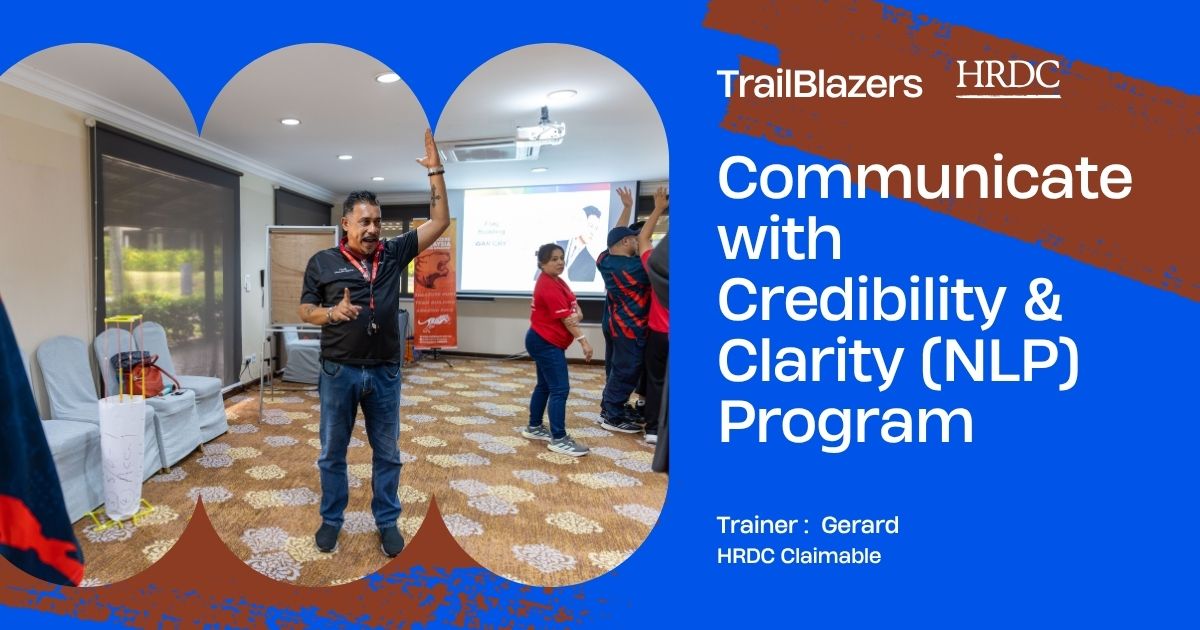
Communicate with Credibility and Clarity (NLP) Program

Communicate with Credibility and Clarity (Using DISC) Key Focus DISC Profiling, Authentic Business Communication & Workplace Teamwork Core Tool DISC Personality Profiling Framework Target Group Non-executives, Executives, Managers & Anyone seeking clear communication Core Outcome Higher productivity, reduced stress, and credible professional messaging Program Overview Miscommunication is a daily challenge that breeds workplace stress and conflicts. This program provides a strong foundation for understanding yourself, your personal communication style, and the distinct personalities around you using the DISC methodology. By connecting authentic self-awareness with practical interaction techniques, participants learn to eliminate misunderstandings, build higher workplace productivity, and drive cross-functional teamwork. Learning Outcomes Upon completing this program, participants will be able to apply key communication competencies: Competency Focus Participant Outcomes Business Communication Basics Master the fundamentals of authentic and credible workplace interactions. DISC & Personality Awareness Identify individual communication strengths and adapt to all 4 DISC personality types. Relational & Team Dynamics Enhance relationships with team members, management, and clients for better synergy. Professional Language Usage Communicate professionally in plain English by choosing precise, impactful words. Training Methodology Methodology Execution & Objective Interactive Instructions Direct delivery of core DISC concepts and modern communication principles. Group Discussions Collaborative reflection on real-world miscommunication barriers. Role-Play Simulations Practical practice adapting styles to different personality types. Who Should Attend Target Audience: Non-executives, executives, managers, and anyone looking to eliminate communication friction, build credibility, and interact effectively at work. Program Outline A focused curriculum covering end-to-end communication effectiveness: Effective Business Communication — Establishing core principles for clear messaging. Barriers to Communication — Identifying and overcoming common miscommunication traps. Personality Profiling — Uncovering strengths through DISC communication styles. Style Adaptation — Tailoring approaches to match preferred communication methods of others. Plain English Mastery — Speaking clearly and correctly across all professional touchpoints. Best Practices for Business Results — Enhancing email, letter, and voice communications. Program Modules Focus Area Core Topics Covered Foundations & Barriers • Effective business communication fundamentals • Identifying and breaking down barriers to clarity • Aligning true self-intent with delivered messages DISC Personality Profiling • Discovering communicator strengths by personality type • Understanding the 4 personality types and preferred styles • Adapting approach for team members and leadership Professional Execution • Speaking correctly and clearly in English • Selecting plain, professional vocabulary for maximum clarity • Best practices for email, business letters, and voice interactions

Read More »

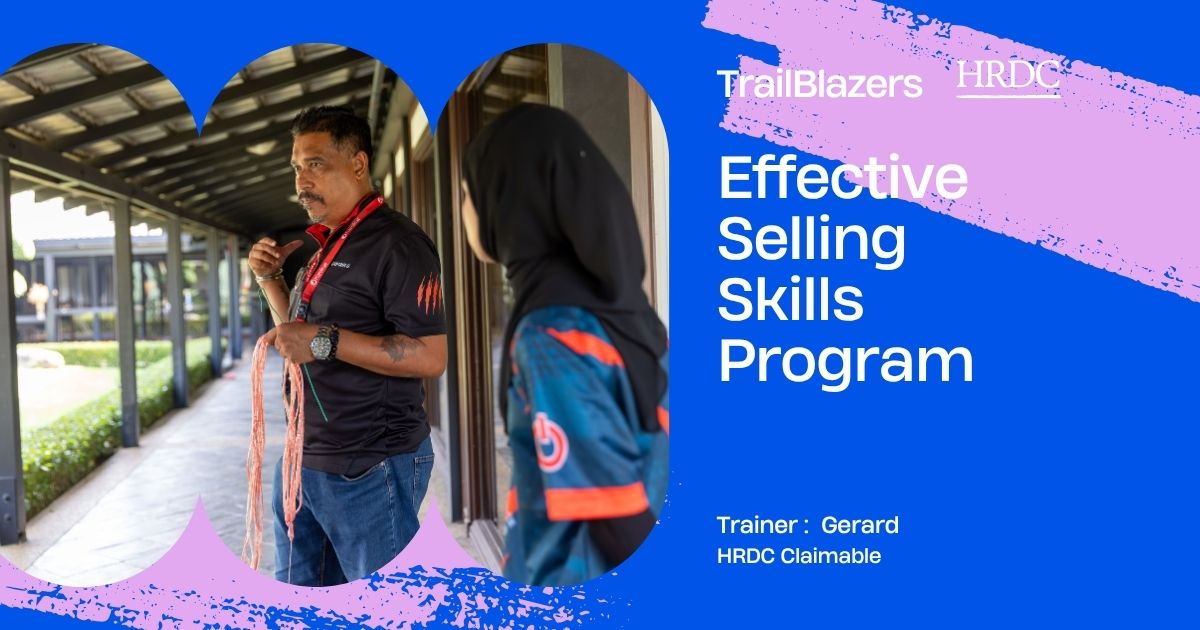
Effective Selling Skills Program

Effective Selling Skills Key Focus Intrinsic Motivation, Sales Performance, Negotiation & Team Synergy Duration 2 Days Target Group All Levels Core Outcome Drive revenue, overcome rejections, and build customer-centric team alignment Program Overview Effective Selling Skills is a motivational training workshop built to inspire employees from within, shift mindsets out of complacency, and foster a high-performance team environment. This course connects emotional involvement with practical selling tools to help teams overcome sales rejections, master negotiations, and build a sustainable win-win workplace culture focused on customer service excellence. Learning Outcomes Participants completing this 2-day workshop will achieve measurable capabilities across core selling dimensions: Competency Focus Participant Outcomes Sales Process & Rules Master the 5-step sales process and apply the concept of “Rule 72”. Mindset & Resilience Accept rejections positively and view sales from a rewarding, holistic perspective. Self-Awareness & Positioning Build self-confidence, elevate personal grooming, and navigate challenging market times. Team Synergy & Revenue Collaborate across departments to increase workplace morale, sales productivity, and revenue. Training Methodology Methodology Execution & Objective Interactive Lectures Core concept delivery focused on accelerated learning. Case Studies & Discussions Real-world scenario analysis for practical decision-making. Role-Play Simulations Hands-on application of negotiation and power-based selling techniques. Who Should Attend Target Audience: Designed for employees at all levels, sales representatives, customer support personnel, and team members who want to strengthen negotiation ability, boost self-motivation, and deliver customer service excellence. Program Outline A structured 4-module pathway designed for direct sales transformation: Module 1: Value-based Intrinsic Motivation — Unlocking inner drive, personal grooming, and the power of growth. Module 2: New Business Platform & Negotiation Skills — Adapting to change, surviving tough markets, and adding creative value. Module 3: Interpersonal Communication & Skills — Decoding body language, power selling, and overcoming communication barriers. Module 4: Team Synergy — Developing team dynamics, prioritizing the customer, and building a win-win culture. Program Modules Module Title Key Topics & Content Module 1:Value-based Intrinsic Motivation • Understanding “What’s In It For Me” • Strategies to sell effectively and increase sales revenue • Personal grooming and self-reflection • Growth, service, and intrinsic motivation in daily performance Module 2:New Business Platform & Negotiation • Embracing change, adapting, and adopting new frameworks • Critical surviving skills and effective negotiation tactics • Increasing personal and product market value • Creative value-added services focused on profitability Module 3:Interpersonal Communication • Understanding body language (Knowing yourself & knowing others) • Power-based selling techniques (Powersell) • Identifying and overcoming communication barriers • Productive independence to mature interdependence Module 4:Team Synergy • Commitment to excellence and customer-first mindset • Thinking and acting like the customer • Team communication and stages of team development • Establishing a win-win organizational work culture

Read More »

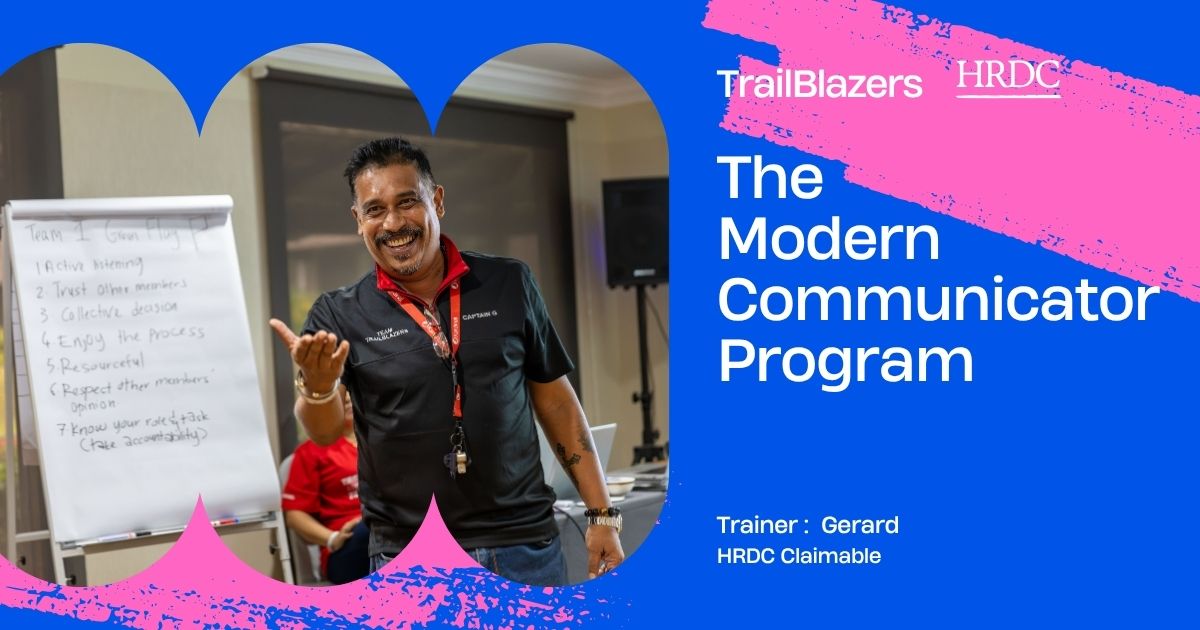
The Modern Communicator Program

Elevate: The Modern Communicator Key Focus Strategic Personal Effectiveness, Non-Verbal Mastery & Positive Work Culture Scheme Name HRDC Corp Claimable Course (HCC) Focus & Skill Area Soft Skills | Management & Leadership Duration 7 Hours (Adjustable upon request) Program Overview Effective communication drives workplace success. Designed for modern, fast-paced corporate environments, this course equips professionals to navigate restructuring, eliminate role ambiguity, and foster high-trust team dynamics. Participants apply the Self-Concept Model to unlock personal potential, master non-verbal communication, and build strong cross-functional synergy. Learning Outcomes Targeted development across 5 essential focus areas: Intervention Area Core Objective Mindset Mastery Build personal ownership and workplace accountability. Credible Clarity Deliver precise, professional, and persuasive communications. Silent Language Project confidence and establish trust via body language. Culture Catalyst Drive mutual respect and seamless cross-departmental synergy. Stress Resilience Solve complex problems under pressure while preventing burnout. Training Methodology Methodology Execution & Impact Interactive Instruction Facilitated discussions ensuring immediate workplace skill transfer. Role-Play Simulations Real-time drills for assertive communication and conflict resolution. DISC Framework Behavioral insights to enhance interpersonal communication. Work Application Direct alignment with personal accountability and team goals. Who Should Attend Target Audience: Suitable for all employee levels—from staff navigating transition to experienced team leads seeking to sharpen their influence, clarity, and emotional resilience. Program Outline A structured 5-module path to communication mastery: Module 1: Personal Effectiveness — Transition from ownership to full responsibility. Module 2: Credibility & Clarity — Align presence and words across all channels. Module 3: Non-Verbal Mastery — Decode micro-expressions and project strong executive presence. Module 4: Interpersonal Mastery — Address warning signs and resolve conflicts early. Module 5: Stress & Culture — Apply stress-relief techniques and promote team harmony. Program Modules Module Topics Covered Activity Type Module 1:Personal Effectiveness • Self-Concept & Mindset Model • Actual vs. Ideal self alignment • Adopting the “Yes I Can” mindset • Ownership to Responsibility framework • Eliminating productivity bottlenecks Self-Assessment & Discussion Module 2:Credibility & Clarity • Executive presence fundamentals • Plain English for professional emails and speech • Word selection for impactful messaging • Aligning actions with core values Workshop & Case Studies Module 3:Non-Verbal Mastery • Silent language that builds instant trust • Reading micro-expressions in business settings • Spatial awareness and “Leadership Gaze” Visual Drills & Practice Module 4:Interpersonal Mastery • Early conflict warning signs and triggers • Moving from blame to assertive dialogue • Dispute resolution strategies Role-Play Simulations Module 5:Stress & Culture • Managing physical and emotional stress • Relaxation and creative problem-solving • Promoting successive harmony and accountability Experiential Action Planning

Read More »

You cannot copy content of this page